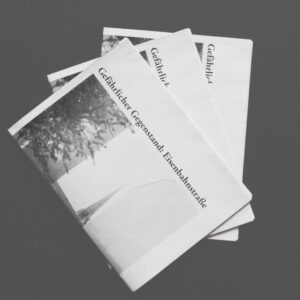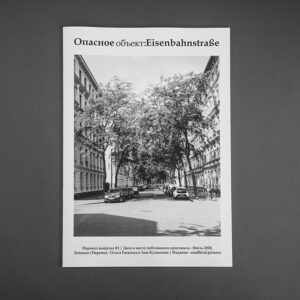
In the fall of 2021, the so-called “refugee crisis” on the EU’s eastern border was still very much in the news. Commission President Ursula von der Leyen spoke of solidarity with Poland in the face of a “hybrid attack [by Belarus] to destabilize Europe” – not a word of solidarity with the freezing migrants exposed to violence. They are dehumanized in such rhetoric, turned into a diffuse mass that is then either pitied or seen as a threat. With this newspaper we want to make them visible as human beings.
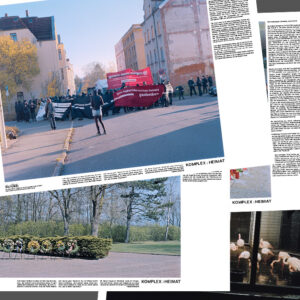
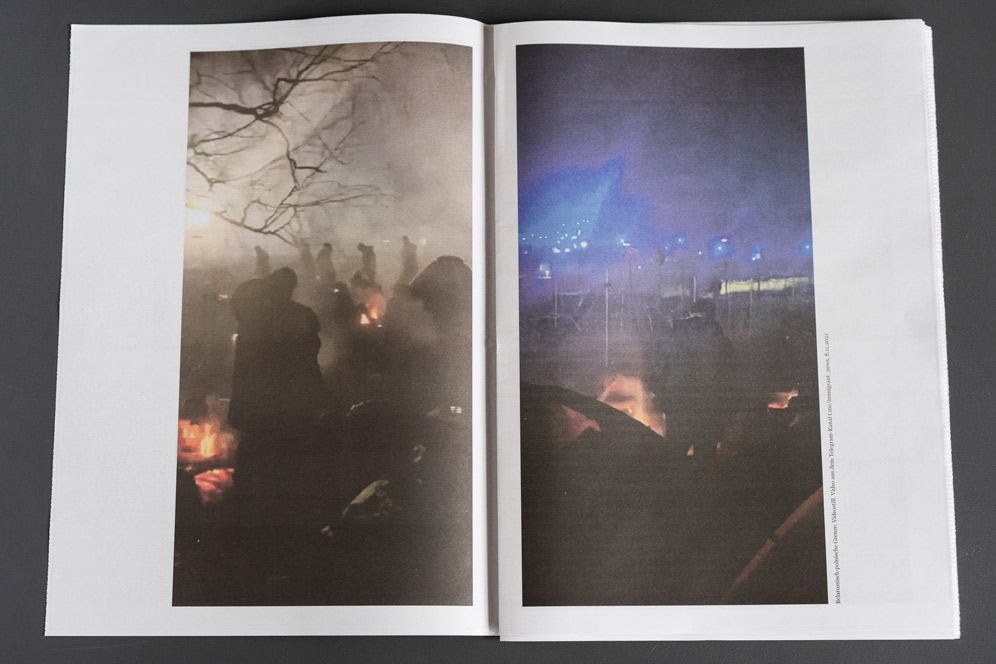
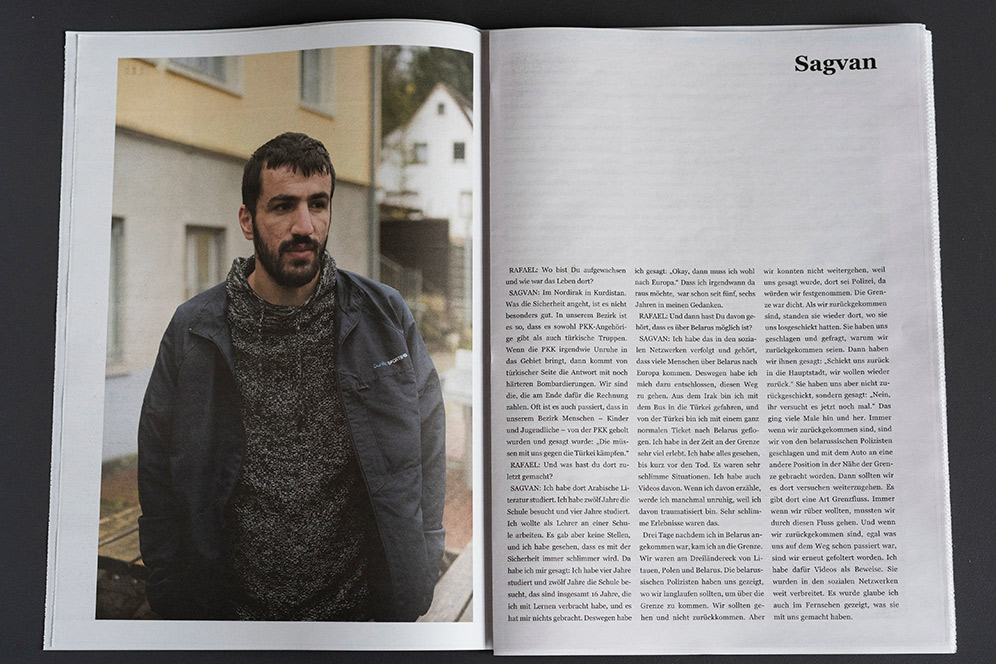
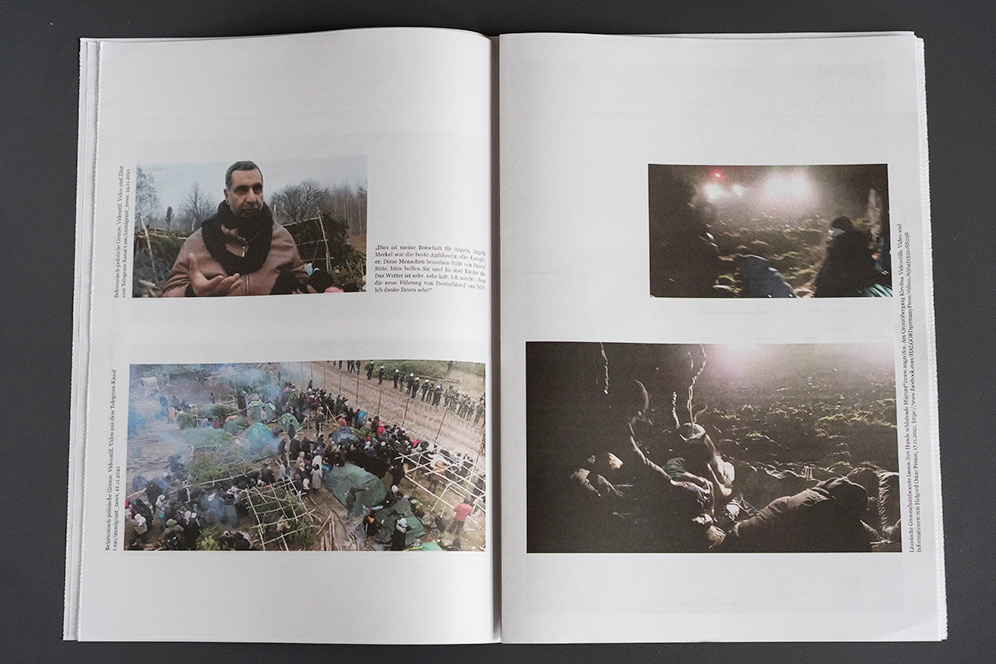
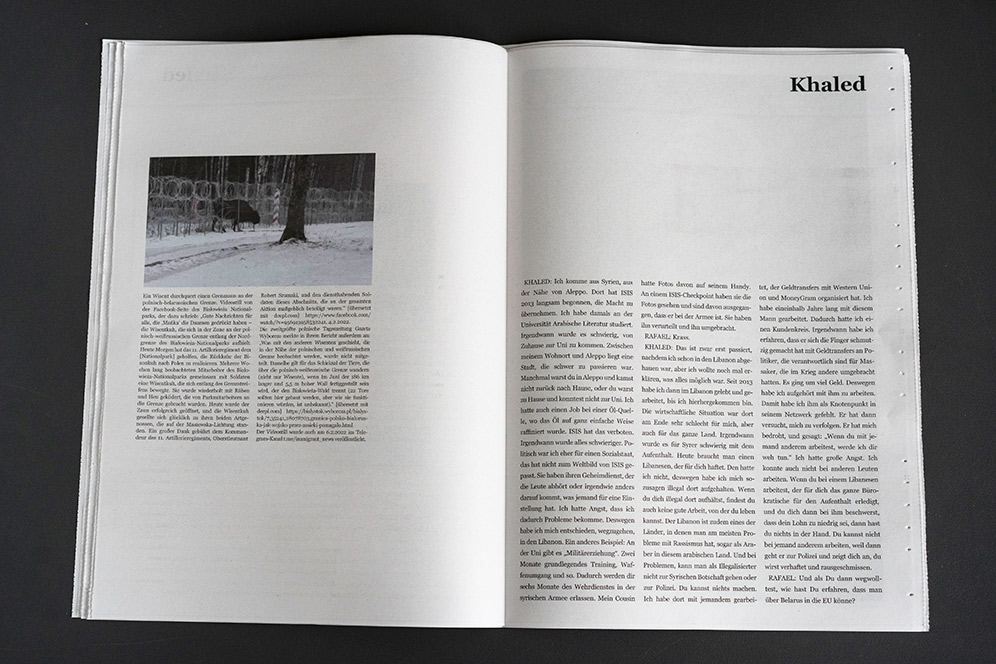
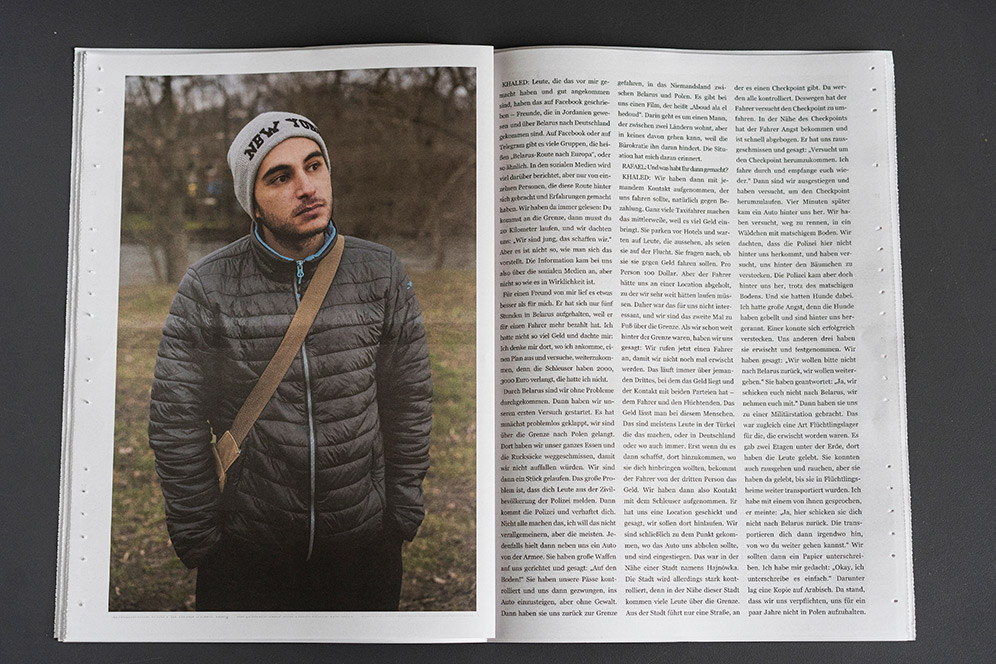
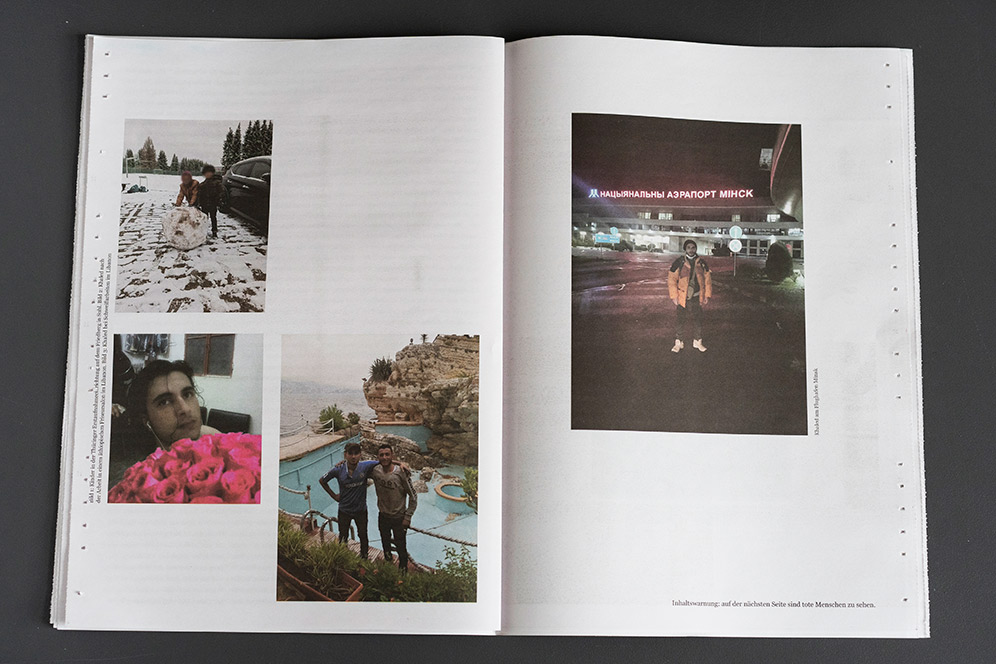
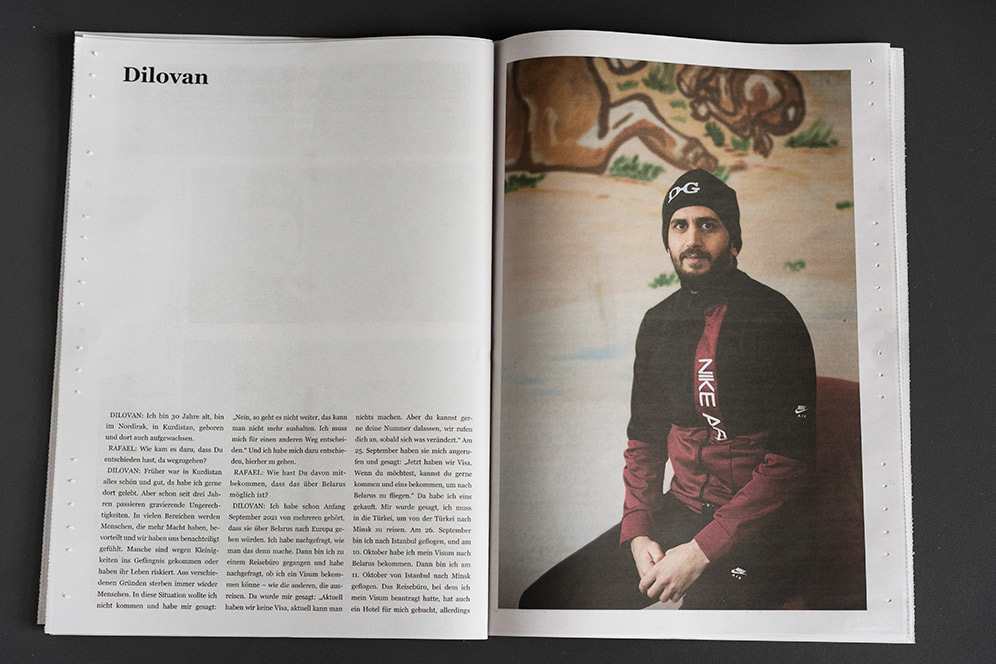
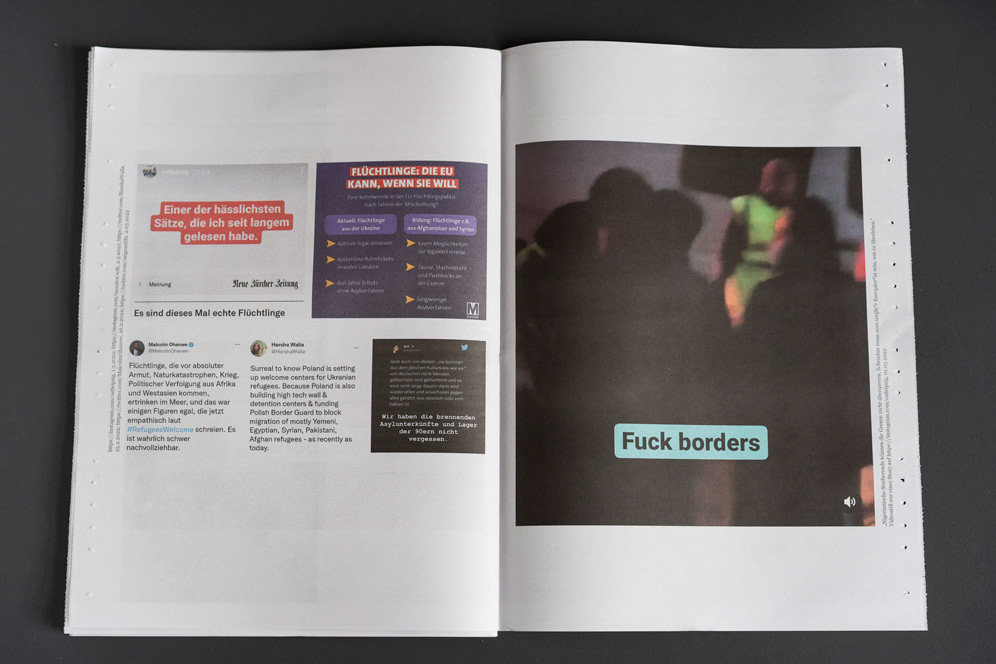
Four migrants who were living in camps in Saxony and Thuringia at the time of the interviews agreed to tell us about their difficult experiences - about the violence on the Belarusian, Lithuanian and Polish sides, about arrests and illegal pushbacks. About their reasons for leaving their homeland and their families. But also about the difficulties of arriving in Germany. In February 2022, we conducted four interviews, with interpreters or in English. We took portraits and they gave us their own mobile phone photos. The interviews do not represent everyone's experiences. For example, the perspectives of FLINTA* people, children and people from other countries of origin are missing. Some of their experiences are included in the stories. We scoured a Telegram group and a Facebook page, which serve as a kind of image editorial centre from below. The migrants themselves post their pictures and videos here: of freezing in the cold, of breaking through the barbed wire fences, of soldiers and dog squads, of their injuries and also of the dead at this border.
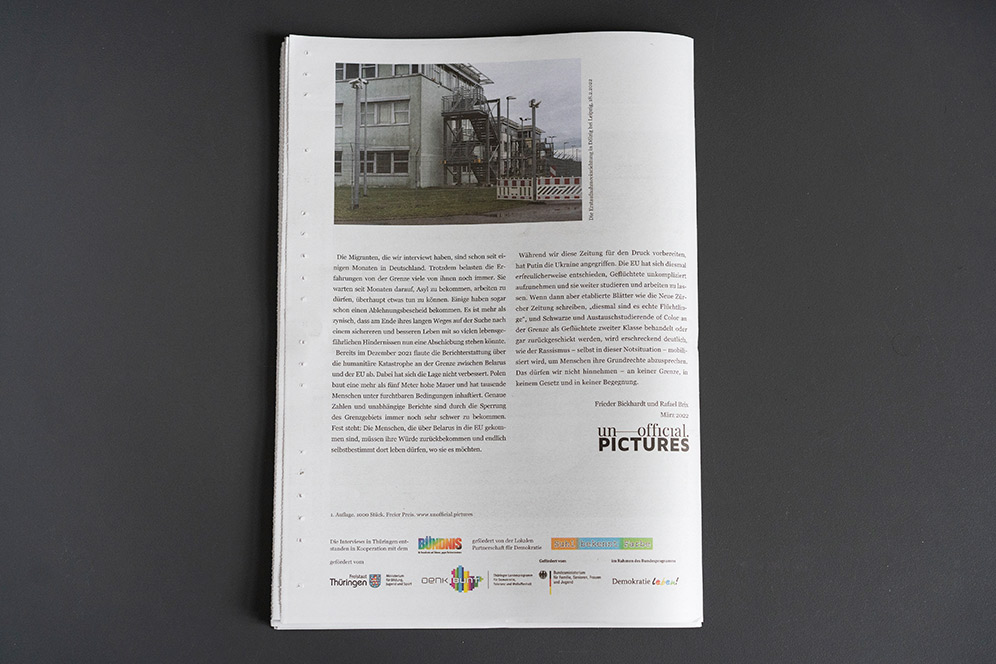
The migrants we interviewed have been in Germany for several months. Nevertheless, their experiences at the border still weigh heavily on many of them. They have been waiting for months to be granted asylum, to be allowed to work, to be able to do anything at all. Some have even already received a rejection notice. It is more than cynical that at the end of their long journey in search of a safer and better life with so many life-threatening obstacles, they could now face deportation.
Reporting on the humanitarian disaster on the border between Belarus and the EU died down as early as December 2021. The situation has not improved. Poland is building a wall more than five metres high and has detained thousands of people in terrible conditions. Accurate figures and independent reports are still very difficult to obtain due to the closure of the border area. One thing is certain: The people who came to the EU via Belarus must be given back their dignity and finally be allowed to live where they want.
As we are preparing this newspaper for print, Putin has attacked Ukraine. Fortunately, this time the EU has decided to accept refugees without complications and allow them to continue studying and working. But when established newspapers like the New Zürcher Zeitung and black and exchange students of colour are treated as second-class refugees at the border or even sent back, it becomes frighteningly clear how racism - even in this emergency situation - is mobilised to deny people their basic rights. We must not accept this - at any border, in any law and in any encounter.
March 2022, unofficial.pictures